


30 Jul How Rushing Activates Your Nervous System and How to Slow Down
Do you ever feel like your internal engine is revving, even when you’re standing still? Perhaps it starts with the morning alarm. You hit snooze one too many times, and suddenly your day begins with a jolt of panic. The race is on: get the kids ready, respond to that urgent email, and navigate traffic, all while a sense of frantic urgency builds inside you.
This constant state of rushing is more than just a bad habit. It can directly trigger your nervous system’s fight-or-flight response.
As a psychologist, I see many clients struggling with anxiety, burnout, and chronic stress. A common thread connecting these experiences is a perpetual state of hurry. They live their lives feeling constantly behind, which keeps their nervous system in a state of high alert.
Understanding how rushing impacts your body and nervous system is the first step toward reclaiming a sense of calm and control.
This article will explore the connection between rushing and nervous system activation, identify common patterns and personality traits associated with it, and provide practical tools to help you slow down.
What Is Nervous System Activation?
Your nervous system has a built-in survival mechanism called the autonomic nervous system, or ANS. It has two main branches: the sympathetic nervous system, or SNS, and the parasympathetic nervous system, or PNS
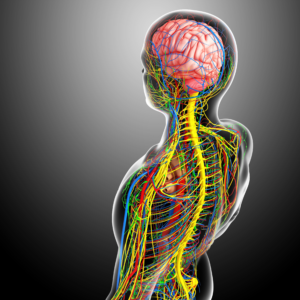
.Think of the SNS as your body’s gas pedal. When you perceive a threat, whether it’s a real danger or just the thought of being late, the SNS floods your body with stress hormones like adrenaline and cortisol.
This is the fight-or-flight response. Your heart rate increases, your breathing becomes shallow, and yo
ur muscles tense up, preparing you for action.
The PNS is the brake pedal. It promotes the rest-and-digest state, helping you feel calm, relaxed, and safe. When the PNS is dominant, your heart rate slows, your breathing deepens, and your body can focus on essential functions like digestion and recovery.
A healthy nervous system moves flexibly between these two states. The problem with chronic rushing is
that it keeps the gas pedal floored, leaving your body stuck in a state of sympathetic nervous system activation.
How Rushing Activates the Fight-or-Flight Response
Rushing isn’t just a behavior. It’s a physiological event.
Let’s look at a common example: the daily commute.
You’re running late for an important meeting. As you get in your car, you’re already calculating the minutes. You notice traffic is heavier than usual. Your grip on the steering wheel tightens. You feel your heart pounding and a knot forming in your stomach.
Someone cuts you off, and you honk, feeling a surge of anger. By the time you arrive, you’re frazzled, irritable, and unable to focus.
In this scenario, the perceived threat is being late. Your brain doesn’t distinguish between this and a more primal danger. It simply signals the sympathetic nervous system to fire up.
This activation can impair higher-level cognitive functions like problem-solving and emotional regulation, making it even harder to navigate the situation calmly. You’re more likely to make impulsive decisions, experience emotional outbursts, and feel overwhelmed.
This pattern isn’t limited to commuting. It can happen while trying to meet a deadline, getting groceries before the store closes, or moving through your morning routine.
Constant nervous system activation can contribute to chronic stress and may affect your mental and physical health, including anxiety, digestive issues, weakened immunity, and burnout.
Who Is Prone to Chronic Rushing?
While anyone can fall into the habit of rushing, certain behavioral patterns and personality characteristics can make you more susceptible.
Behavioral Patterns

Chronic Overscheduling: Packing your calendar with back-to-back commitments leaves no buffer for unexpected delays, making rushing your default mode.
Procrastination: Putting things off until the last minute creates artificial crises that force you into a state of hurry.
Poor Boundary Setting: Saying yes to every request can leave you with too much to do and not enough time, leading to a frantic pace.
Personality Characteristics
Perfectionism: The drive to do everything perfectly can lead you to spend too much time on individual tasks, causing you to rush through the rest of your to-do list.
High-Achieving Tendencies: Individuals who are highly driven are often focused on maximizing productivity, which can create a constant sense of urgency. They may feel that slowing down is a form of failure.
Anxiety-Prone Personalities: If you have a tendency toward anxiety, you may experience a heightened sense of threat from everyday stressors, making you more likely to rush as a way to regain a feeling of control.
Recognizing these patterns in yourself is not a reason for self-criticism. Instead, view it as valuable information that can help you understand why you rush and what may need to change.
How to Slow Down and Calm Your Nervous System
Breaking the cycle of rushing requires conscious effort and practice. The goal is to intentionally engage your parasympathetic nervous system, your body’s brake pedal, to counteract the fight-or-flight response.
Here are some nervous system regulation strategies you can start implementing today:
Build in Buffer Time
If it takes 30 minutes to get to work, leave 45 minutes early. Add 15-minute buffers between appointments. This simple change can dramatically reduce pressure and allow you to move at a more mindful pace.
 Practice Mindful Transitions
Instead of rushing from one task to the next, take a moment to pause. Before getting out of your car at work, take three deep, slow breaths. Feel your feet on the floor. This helps signal to your nervous system that you are safe.
Embrace Single-Tasking
Multitasking is a myth. It splits your focus and increases cognitive load, making you feel more frantic. Focus on completing one task at a time with your full attention.
Incorporate Slowing-Down Rituals
Deliberately do one thing slowly each day. Sip your morning coffee without looking at your phone. Take a slow walk around the block. These small acts train your brain and body to embrace a calmer pace.
Journal Prompts for Stress and Rushing
Journaling can be a powerful tool for uncovering the roots of your rushing habit. Set aside 10 to 15 minutes in a quiet space and explore the following prompts:
- Describe a recent situation where you felt rushed. What physical sensations did you notice in your body? What emotions came up for you?
- What are the stories you tell yourself about time? For example, “There’s never enough time” or “I have to be productive all the time.” Where did these beliefs come from?
- What is the worst-case scenario if you are five minutes late for something? What is the most likely scenario? Challenge the catastrophic thinking that often fuels rushing.
- What is one small, concrete step you can take this week to build more slowness into your day?
It’s Okay to Ask for Help
Slowing down can feel uncomfortable, especially if rushing has become your baseline. It can even bring up difficult emotions that busyness was helping you avoid.
If you find it challenging to break the cycle on your own, seeking professional support can be incredibly beneficial.
A therapist can help you identify the underlying causes of chronic rushing, develop personalized strategies for nervous system regulation, and learn to cultivate a more balanced and mindful way of living.
Mindfulness practices, somatic therapy, and cognitive behavioral therapy, or CBT, may all be helpful approaches for addressing these patterns.
You don’t have to live in a constant state of emergency. By understanding your nervous system and making conscious choices to slow down, you can move from a life of frantic rushing to one of intentional calm.
Ready to find your calm? Contact our practice today to learn how therapy for anxiety, chronic stress, and nervous system regulation can help. Your journey toward a more peaceful life can begin with a single step.
Sorry, the comment form is closed at this time.