

13 Jan The Psychological Benefits of Fantasy Fiction: Exploring the Enchantment of ACOTAR
“Someday you will be old enough to start reading fairy tales again.”
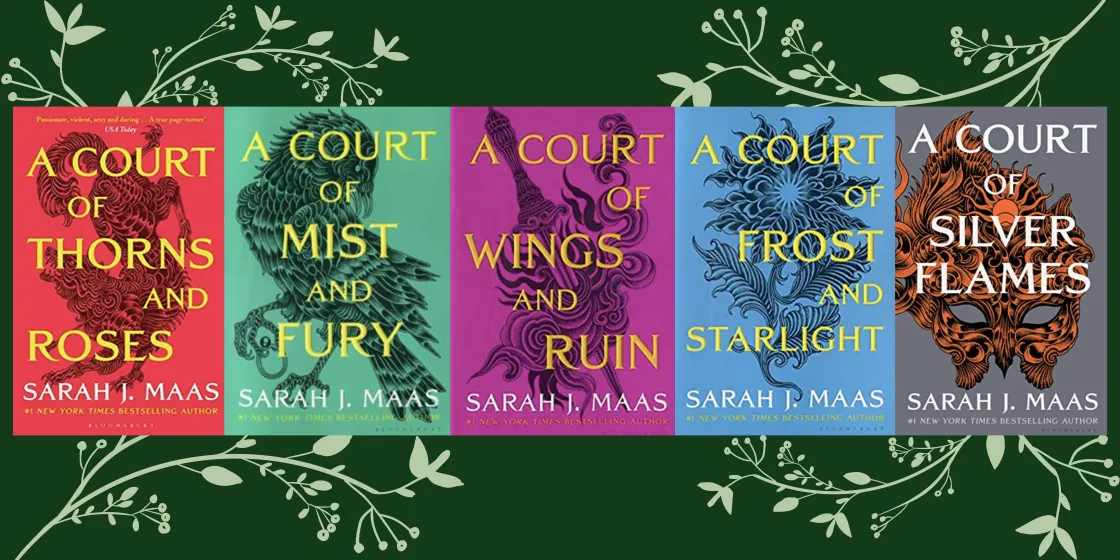
This timeless quote from C.S. Lewis captures the enduring magic of fantasy fiction. Once thought to be a genre for children, fantasy books like A Court of Thorns and Roses (ACOTAR) by Sarah J. Maas and Fourth Wing by Rebecca Yarros have sparked a cultural phenomenon among adults. These stories are more than escapism—they offer a way to process emotions, heal, and connect with others.
So, why do we keep returning to these enchanted worlds? Let’s dive into the psychology behind fantasy fiction’s appeal and why it’s more relevant than ever for adult readers.
The Lifelong Allure of Fantasy Fiction
Fantasy fiction offers readers a unique blend of imagination, empowerment, and emotional exploration. Books like ACOTAR, Throne of Glass, and Fourth Wing transport readers to magical realms, but the themes they explore—identity, trauma, love, and resilience—are deeply rooted in real-world experiences.
In fact, this return to fairy tales speaks to a psychological need for hope, healing, and connection in today’s chaotic world. Fantasy provides more than a magical escape; it mirrors life’s complexities and helps readers confront challenges head-on.
Popular titles trending across #BookTok, Goodreads, and Instagram—from The Plated Prisoner series to Fourth Wing—demonstrate how fantasy fiction resonates with millions of readers globally.
Why ACOTAR Captivates Readers: Themes of Empowerment & Emotional Growth
Sarah J. Maas’s A Court of Thorns and Roses isn’t just a fantasy series; it’s an emotional journey. From Feyre Archeron’s struggles with trauma to her empowering transformation in the Night Court, readers are swept up in a powerful tale of self-discovery and resilience.
Here’s why ACOTAR resonates so deeply:
💔 Themes of Trauma & Healing
Feyre’s journey reflects the hero’s journey outlined by Joseph Campbell. She faces trauma, loss, and self-doubt, but through perseverance, she finds strength. These themes echo the struggles many readers face in real life—making her triumphs feel personal.
Fantasy fiction like ACOTAR offers healing through metaphor, showing readers that recovery is possible, even after the darkest trials.
The Psychological Benefits of Fantasy Fiction
While fantasy books offer escapism, it’s not about running away from reality—it’s about taking mental breaks to gain perspective and process emotions.
In ACOTAR, Feyre battles inner demons, faces grief, and emerges stronger. Her journey mirrors real-life struggles, offering readers comfort and hope during tough times.
Fantasy fiction also taps into positive escapism, which is linked to:
- Reduced stress and anxiety
- Improved emotional resilience
- Increased empathy and understanding
Escaping into a world of magic can help readers navigate their own challenges, providing both relief and inspiration.
Fantasy as a Mirror to Real-Life Challenges
The best fantasy fiction doesn’t shy away from real-world themes. For example, ACOTAR tackles grief, identity, empowerment, and trauma recovery in a way that feels both relatable and transformative.
Key themes explored in modern fantasy:
- Themes of Trauma and Healing. Feyre’s journey across the series is laden with recovery and growth. Through her experiences- escaping death, surviving abusive power structures, and rebuilding her sense of worth- Sarah J. Maas provides readers with powerful metaphors for overcoming their own struggles. Trauma is not erased but woven into the tapestry of healing, showcasing a relatable, yet hopeful, narrative.
- Empowerment and Finding Your Voice. The fantasy book heroines show that finding strength can be messy, difficult, and ultimately rewarding. Especially for women in these title roles, which historically were marginalized in many societies.
- The Complexities of Relationships. ACOTAR delves into the nuances of love, trust, and boundaries, offering readers insight into their own relationships. From Feyre’s family struggles to her evolving dynamics with Tamlin and Rhysand, the series highlights the growth and vulnerability that come with connection. One of the most discussed aspects? The spice level. Some readers prefer detailed, steamy moments (🌶️🌶️🌶️🌶️🌶️), while others enjoy the slow-burn, flirty banter (🌶️). The mix of romance, tension, and empowerment creates a captivating space for readers to explore emotional and sexual fantasies.
The Power of Community in Fantasy Fandoms
One of the greatest appeals of fantasy fiction like A Court of Thorns and Roses (ACOTAR) is the community it inspires. Readers connect through #BookTok trends, fan art, and online groups on Facebook, Reddit, and more. These fandom spaces foster friendships, spark discussions, and create safe places for readers to explore themes, characters, and favorite scenes.
For fans, Velaris and the Night Court aren’t just fictional—they’re shared experiences that build deep bonds and contribute to well-being. Feeling seen and validated in these communities enhances the reading experience, making the journey through ACOTAR even more impactful.
Whether you’re analyzing plot twists or celebrating spicy scenes, fantasy fandoms provide a powerful sense of belonging that keeps readers engaged long after they close the book.
The Timeless Appeal of Fantasy Fiction for Adults
Fantasy fiction holds timeless appeal by blending childhood wonder with adult complexity. Books like A Court of Thorns and Roses (ACOTAR) resonate with readers because they go beyond magical worlds—they reflect universal human experiences like love, fear, growth, and healing.
Fantasy stories help readers confront real-world challenges through imaginative narratives. Whether it’s overcoming trauma or learning to love again, these tales make the intangible feel real and the impossible achievable. For adults, revisiting fantasy rekindles hope, inspiration, and the magic of possibility—proof that you’re never too old for a good story.
The Call of Fairy Tales
Whether you’re a newcomer to fantasy fiction or a longtime fan, there’s something comforting and timeless about returning to fairy tales. These stories tap into the magic we craved as children while addressing the human truths we navigate as adults—from love and loss to self-discovery and empowerment.
Modern titles like A Court of Thorns and Roses (ACOTAR) remind us that fantasy fiction isn’t just an escape; it’s a way to feel seen, inspired, and challenged. If you haven’t yet ventured into these enchanted worlds, now’s the perfect time to dive in.
📚 What’s your favorite ACOTAR moment or a scene from another fantasy book that left you spellbound? Drop a comment below, and be sure to explore our must-read fantasy series list for more magical adventures! After all, we may grow older—but we’re never too old for a good story.
Featured image is courtesy of Lit Lemon Books.
Sorry, the comment form is closed at this time.