

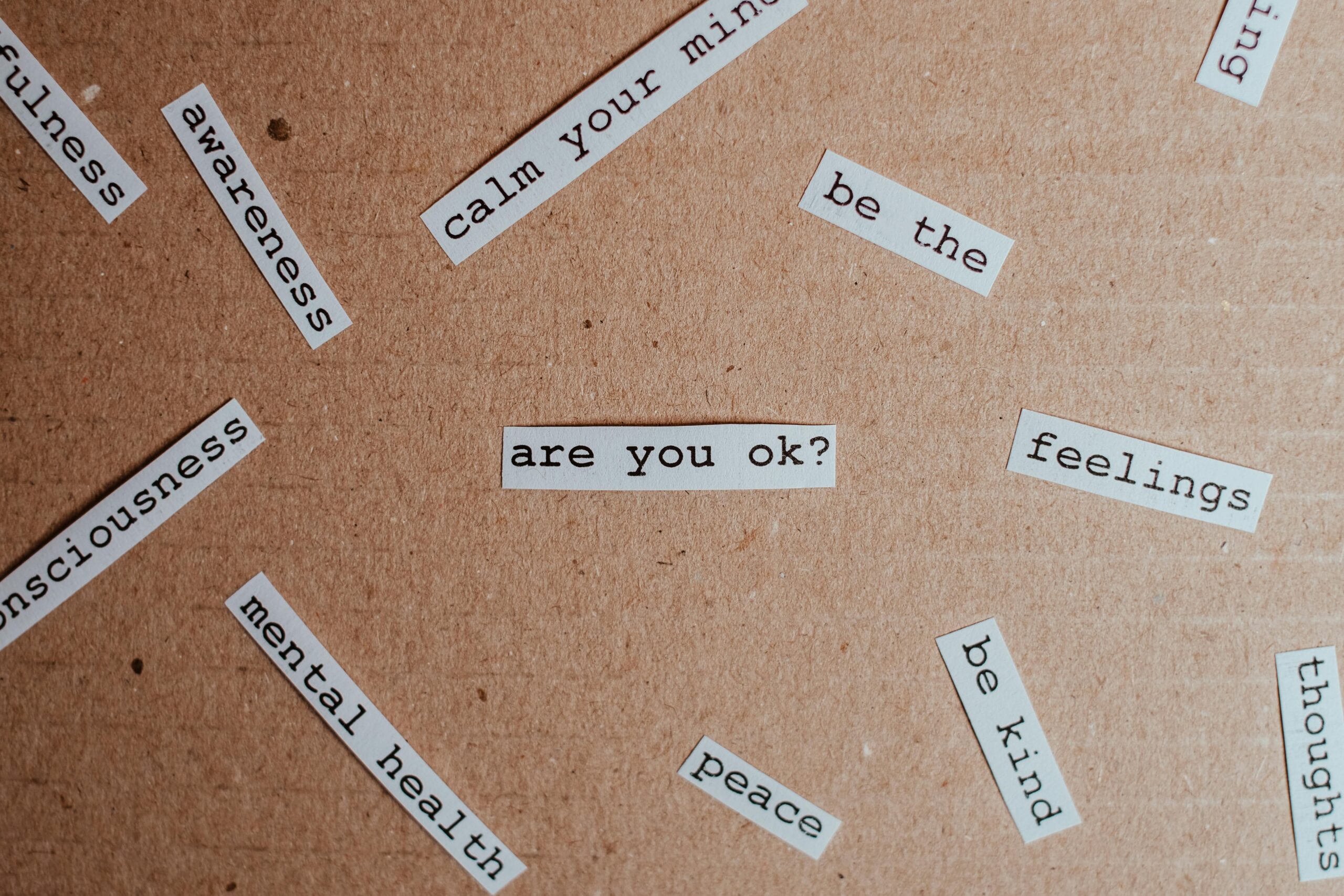
30 Apr Feelings Are Not Facts: Understanding Your Emotional Landscape
Have you ever had a feeling so strong it seemed like absolute truth?
Maybe anxiety rose before a presentation and your mind immediately said, I’m going to fail. Or maybe jealousy appeared in your relationship and suddenly it felt certain that my partner doesn’t care about me. These moments can feel incredibly convincing. Emotions often arrive with urgency, intensity, and a powerful sense of certainty.
But even when feelings are real and valid, they are not always facts.
This is not about dismissing your emotions. It is about understanding them more clearly. As a therapist specializing in nervous system healing, trauma-informed care, and a holistic approach to therapy, I help people explore the difference between what they feel and what is actually true. That distinction can be one of the most empowering steps in emotional regulation and healing. It allows you to honor your experience without letting it define your reality.
Let’s look at why feelings can feel so factual, and how you can begin navigating your inner world with more clarity and compassion.

Your Nervous System: The Body’s Emotional Messenger
To understand why feelings can seem like facts, it helps to understand your nervous system.
Your nervous system is always scanning your environment and your internal world for signs of safety or danger. It is constantly working to protect you, often before your thinking mind has had a chance to catch up. One helpful framework for understanding this is polyvagal theory, developed by Dr. Stephen Porges, which explains how different nervous system states shape how we feel, think, and respond.
Your nervous system shifts into different states depending on what it perceives.
Ventral Vagal: Safe and Connected
This is the state where you feel calm, grounded, and connected. You are better able to think clearly, engage with others, and respond rather than react. This is often where emotional balance feels most accessible.
Sympathetic: Fight or Flight
When your nervous system senses danger, it prepares you to act. Your heart rate may rise, your muscles may tighten, and your thoughts may speed up. This state can bring feelings like anxiety, panic, irritability, or anger. These responses are protective, even when they feel overwhelming.
Dorsal Vagal: Shutdown
If a threat feels too big to fight or escape, your system may shift into shutdown. This can feel like numbness, exhaustion, hopelessness, or disconnection. This is also a survival response.
Your feelings are often closely connected to the state of your nervous system. Sometimes a present-day situation activates an old survival response. When that happens, what you feel may be real, but the story attached to it may not reflect what is actually happening.
For example, a client of mine that I’ll call James, would feel immediate panic whenever his boss sent a short email saying, Can we talk? His body reacted as though danger was imminent, and his mind jumped to: I’m about to be fired. But in reality, his boss simply wanted to check in on a project. His nervous system had linked that kind of message to an earlier experience of unexpectedly losing a job. The panic was real. The conclusion was not.
How Trauma Shapes Present-Day Feelings
For people who have experienced trauma, the line between feelings and facts can become even more blurred.
Trauma can leave the nervous system on high alert, making fight-or-flight or shutdown responses more likely to activate in everyday situations. A delayed text, a change in tone, criticism, or uncertainty can feel much more threatening than it objectively is. This is not because you are weak or “too sensitive.” It is because your body has learned to protect you.
A central part of trauma healing is helping the nervous system recognize that the danger is no longer happening now.
This is where somatic work can be especially helpful. Somatic experiencing and other body-based approaches focus on sensations in the body, helping release stored survival energy and build a greater sense of safety in the present.
For example, someone who was in a car accident may feel their chest tighten the moment they hear tires screech. Their body reacts with the message: I’m in danger. In the present moment, they may actually be safe at home on the couch. Somatic work helps them notice the sensation, stay connected to the present, and support the body in learning that the threat has passed. Over time, this can strengthen emotional regulation and create new patterns of safety.
How to Separate Feelings From Facts
Recognizing that feelings are not always facts is a skill you can practice. It does not mean ignoring your emotions. It means learning to pause long enough to respond with more awareness.
Here are a few ways to begin:
1. Pause and Name the Feeling
When a strong emotion arises, try shifting your language slightly. Instead of saying, I’m a failure, try: I’m having the feeling of failure right now.
That small change creates space. It reminds you that the emotion is an experience, not your identity.
2. Get Curious About the Sensation
Bring your attention to your body. Where do you feel the emotion? Is it tightness in your chest, heat in your face, heaviness in your stomach, or numbness in your limbs? Rather than immediately following the story in your mind, start by noticing the sensation. This is a foundational somatic practice that helps anchor you in the present moment.
3. Look for the Actual Facts
When emotions are intense, the mind often fills in the blanks with fear, assumptions, or old beliefs. Gently ask yourself: What do I actually know to be true right now?
Using James’s example, the feeling was panic. The story was: I’m getting fired.
The facts were simple:
- My boss sent an email.
- The email said, Can we talk?
- My last review was positive.
Facts are often much less dramatic than fear makes them seem.
Journal Prompts for Reflection
Journaling can help you become more aware of your emotional patterns and the stories attached to them. You might explore:
- Think of a recent time you had a strong emotional reaction. What did you feel?
- What was the feeling trying to tell you?
- What were the observable facts of the situation?
- Where did you notice the emotion in your body?
These questions can help you build self-awareness with more compassion and less judgment.
Resources for Your Healing Journey
If you want to explore these ideas more deeply, a few resources may be helpful.
Deb Dana’s work on polyvagal theory offers a compassionate and accessible understanding of the nervous system, especially her book Anchored: How to Befriend Your Nervous System Using Polyvagal Theory.
The Body Keeps the Score by Bessel van der Kolk is another valuable resource for understanding trauma and the mind-body connection.
The podcast Therapy Uncensored also offers thoughtful conversations about attachment, trauma, and nervous system regulation.
I invite you to also explore the resources on our E-Book, 33 Nervous System Resets, a compilation of practical, therapist-approved tools to ease stress and reset your mind anytime, anywhere.
Take the First Step
Understanding that feelings are not facts is not about becoming less emotional. It is about relating to your emotions with more clarity, compassion, and support.
When you begin to understand your nervous system, your triggers, and the protective role your feelings may be playing, you can respond differently. You can honor what you feel without assuming it is the whole truth.
Healing takes patience, and it often takes support.
If you are navigating trauma, anxiety, emotional overwhelm, or nervous system dysregulation, therapy can help. I offer trauma-informed, holistic therapy for adults in New York and Connecticut, with a focus on nervous system healing and emotional regulation.
If you’re ready to better understand your emotional world and build a more resilient nervous system, reach out to schedule a free 15-minute consultation. You do not have to do this alone.
Sorry, the comment form is closed at this time.