

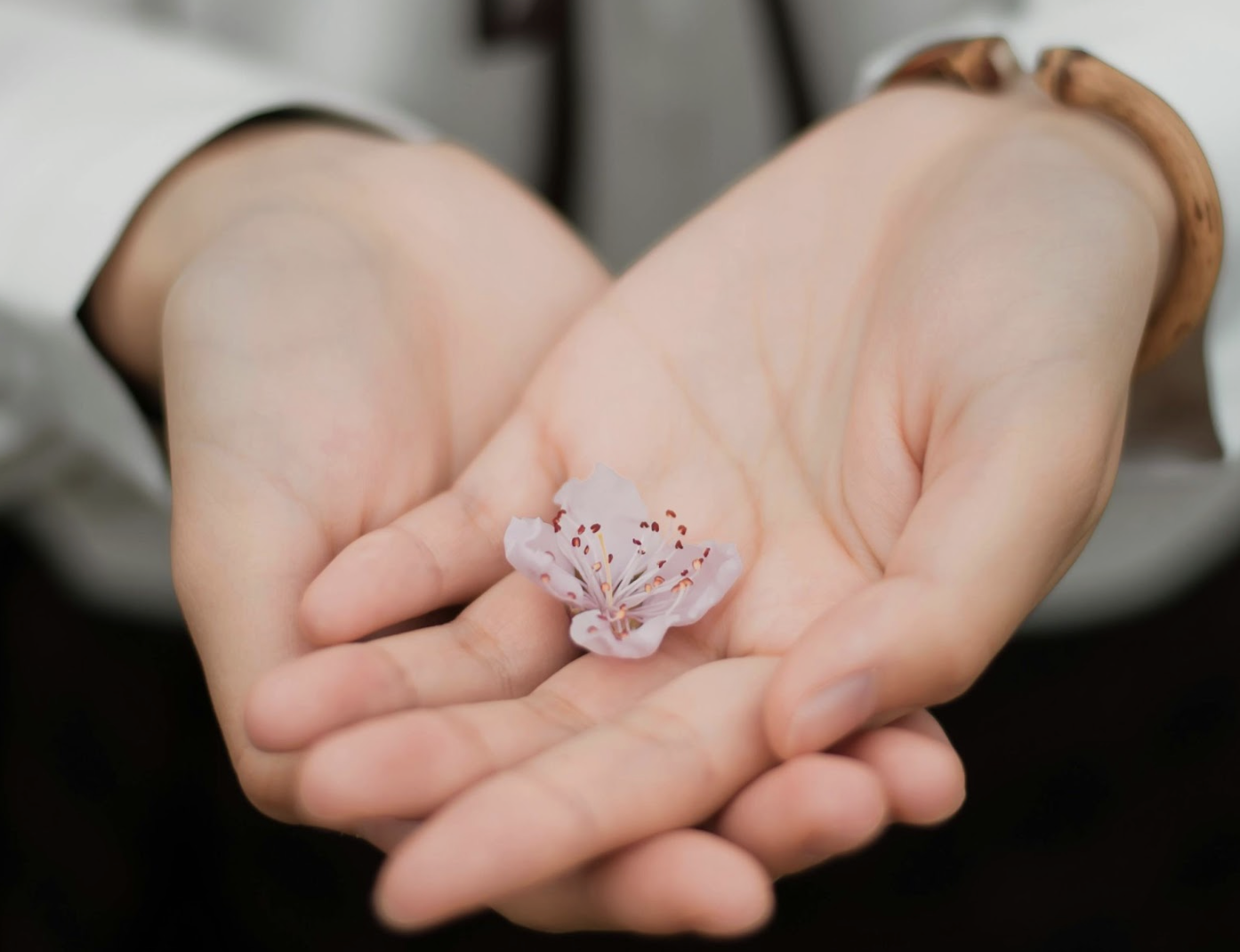
01 Jan How to Befriend Yourself: A Guide to Self-Compassion
Have you ever noticed how you talk to yourself?
When you make a mistake, forget an appointment, or say the “wrong” thing, what does your inner voice sound like? For many people, it isn’t gentle or encouraging: it’s critical, impatient, or even cruel. We often speak to ourselves in ways we would never speak to a friend or loved one.
If this feels familiar, you are not alone. Learning self-compassion can feel uncomfortable or even unnatural at first, especially if self-criticism has been your default for years. Yet befriending yourself may be one of the most powerful steps you can take toward healing, resilience, and overall well-being.
As a therapist specializing in trauma and nervous system regulation, I witness this struggle every day. Many people believe that being hard on themselves is the key to motivation and success. “If I’m not tough on myself, I’ll become lazy or complacent.” But in practice, the opposite is often true.
Chronic self-criticism activates the body’s threat response, keeping the nervous system stuck in stress, anxiety, or shutdown. It’s like carrying an internal bully everywhere you go, one that never clocks out.
Self-compassion isn’t about letting yourself off the hook. It’s about meeting yourself with the same kindness, care, and understanding you would offer someone you love. And it’s a skill that can be learned.
Why Is Self-Compassion So Hard?
If self-compassion is so beneficial, why does it feel so difficult?
Early Conditioning and Survival Strategies
For many people, self-criticism developed early in life. If you grew up in an environment where criticism outweighed warmth, your nervous system may have learned that harsh self-talk was necessary for safety or acceptance.
As one client shared, “Being hard on myself feels safer, it’s like I’m beating others to the punch so their judgment doesn’t hurt as much.” This kind of self-criticism is often a protective strategy, one that made sense at the time but may no longer be serving you.
Perfectionism and Fear of Failure
Perfectionism is another major barrier to self-compassion. When mistakes feel catastrophic, there’s no room for humanity or grace. This all-or-nothing thinking can quietly reinforce the belief that you are only worthy of care when you are flawless, an impossible standard for any human being.
The Nervous System’s Role
From a nervous system perspective, self-criticism keeps the sympathetic (“fight-or-flight”) system activated. When you are constantly judging yourself, your body interprets it as a threat, even when the threat is internal.
Over time, this can contribute to chronic stress, burnout, anxiety, and a persistent feeling of being unsafe in your own body.
Making Self-Compassion More Accessible
If the idea of becoming your own best friend feels overwhelming, you’re not doing it wrong. We don’t move from self-criticism to self-love overnight. Instead, the goal is to start by creating a more neutral, gentle inner environment.
Researcher Dr. Kristin Neff, a pioneer in self-compassion research, describes three core components:
- Self-Kindness vs. Self-Judgment: meeting yourself with warmth and understanding when you struggle, rather than criticism or dismissal.
- Common Humanity vs. Isolation: recognizing that pain, mistakes, and imperfection are part of being human. You are not broken or alone.
- Mindfulness vs. Over-Identification: allowing thoughts and feelings to exist without suppressing them, or becoming consumed by them.
For deeper exploration, Dr. Neff’s book Self-Compassion: The Proven Power of Being Kind to Yourself and the resources at Self-Compassion.org are excellent starting points.
 Small, Actionable Steps to Cultivate Self-Compassion
Transforming your inner dialogue is a practice, not a destination. These small, consistent steps can gently rewire neural pathways and support nervous system regulation.
-
Notice Your Inner Critic
Awareness is the first step toward change. Begin noticing when self-critical thoughts arise and what they sound like.
Try this: For one day, write down self-critical thoughts as they appear, it could be on your phone or in a notebook. No fixing or judging. Just notice.
-
Shift from Critic to Observer
Instead of “I am so stupid,” try “I am having the thought that I am stupid.” This subtle shift creates distance between you and the thought, reminding you that thoughts are experiences, not facts. Kristin Neff’s “Mindful Workbook” offers a wonderful step-by-step guide to break free from being overly harsh with ourselves.
-
Use a Simple Soothing Gesture
Because the body and mind are deeply connected, somatic practices can be especially effective. Place a hand over your heart or gently hold your arm when you notice self-criticism. Why it works: This gesture can stimulate oxytocin, the “tend and befriend” hormone, helping your nervous system feel calmer and safer. One client described it as “giving myself a hug when I need it most.”
-
Ask: What Would I Say to a Friend?
If someone you loved came to you with this exact struggle, how would you respond? Now try offering those same words to yourself. It may feel awkward at first, but it’s a powerful way to practice a kinder inner voice.
Some Journal Prompts for Reflection
Set aside a few quiet minutes and explore these prompts with curiosity, not judgment:
- What is my immediate reaction when I make a mistake: thoughts, emotions, body sensations?
- What is one compassionate phrase I could offer myself when I’m struggling?
- Recall a time you felt deeply supported by a friend. What did they offer, and how can you offer a piece of that support to yourself today?
Befriending Yourself Is Nervous System Healing
Self-compassion is the ongoing practice of unlearning self-criticism and building new pathways of safety, kindness, and understanding. It supports nervous system healing by shifting you out of threat and into connection,both with yourself and others.
If you’re ready to deepen this work and want support along the way, you don’t have to do it alone. As a licensed therapist in New York and Connecticut, I help individuals cultivate self-compassion, emotional regulation, and resilience through trauma-informed care. Take the first step toward a more compassionate relationship with yourself, book your free 15-minute introductory consultation today. I’m ready when you are.
Sorry, the comment form is closed at this time.