

09 Oct Fresh Starts, Fresh Foods: Seasonal Eating for Better Mood, Energy, and Mental Health
As a psychologist, I often guide people through strategies to improve their mental well-being. While therapy, mindfulness, and exercise are well-known pillars of mental health, there’s a powerful yet often overlooked practice that can profoundly impact your mood and energy: eating with the seasons. Aligning your diet with nature’s rhythm is more than a nutritional strategy; it’s a practice that can ground you, enhance your mindfulness, and support your mental health from the inside out.
If you’ve been feeling sluggish, unfocused, or emotionally turbulent, taking a closer look at what’s on your plate might be a supportive step. Let’s explore how this simple shift can empower your journey toward a more balanced and fulfilling life.
The Psychology of Seasonal Eating
Our connection to the natural world is deeply rooted in our human experience. For centuries, our ancestors ate what was available locally and seasonally. This pattern was not a choice but a necessity. Today, with global supply chains, we can have strawberries in winter and butternut squash in summer. While convenient, this disconnects us from the natural cycles that can help regulate our own internal systems, including our mood and energy.
Adopting a seasonal eating pattern is about more than just food; it’s about re-establishing that fundamental connection. It’s an act of mindfulness that encourages you to slow down, observe the world around you, and nourish your body in a way that feels intentional and supportive.
Boost Your Mood with Nutrient-Dense Foods
Different seasons bring their own vibrant harvests in the Northeast, each packed with nutrients our bodies often need during that time of year.
- Spring: This is a time of renewal. Enjoy light, leafy greens such as spinach, arugula, and tender lettuces. Asparagus, radishes, and early peas start making their appearance, all rich in folate, a B-vitamin crucial for producing neurotransmitters like serotonin and dopamine, which help regulate mood. Including ramps (wild leeks) or fresh herbs from local markets can also add flavor and variety during springtime.
- Summer: The sun brings a colorful bounty of ripe, water-rich fruits and vegetables. Think juicy tomatoes, blueberries, strawberries, raspberries, and sweet corn, local favorites that shine at their peak. Cucumbers, summer squash, and bell peppers are also abundant. These foods are high in antioxidants to help combat oxidative stress, and their high water content supports hydration, essential for energy and mental clarity.
- Autumn: As the air cools, Northeast farms offer an array of comforting, nutrient-dense choices. Crisp apples, sweet pears, and Concord grapes are at their best. You’ll also find root vegetables such as sweet potatoes, carrots, and beets, plus hearty greens like kale and chard. Classic autumn produce like pumpkins and winter squash deliver complex ca
 rbohydrates for steady energy and are rich in Vitamin A to support brain health.
- Winter: The colder months invite warming, sustaining foods. While fresh options are fewer, look for locally stored root vegetables (turnips, parsnips, potatoes) and cruciferous vegetables like Brussels sprouts and cabbage. Kale and winter squashes remain available and packed with nutrients. This is also the season for citrus fruits, though not local, they’re widely available and packed with Vitamin C, which supports immunity and can have a positive effect on mood.
By choosing foods that are truly in season in the Northeast, you give your body and mind a natural boost, aligned with what nature provides at each stage of the year. Citrus fruits, at their peak in winter, are packed with Vitamin C, which can help boost the immune system and has bee
n shown to have mood-elevating effects. Hearty vegetables like kale and Brussels sprouts provide essential vitamins that can be harder to come by when sunlight is scarce.
By eating seasonally, you consume produce at its nutritional peak. Foods that are picked and eaten when they are ripe contain more vitamins, minerals, and antioxidants than those that are harvested early and shipped long distances. This nutritional advantage directly fuels your brain, giving it the building blocks it needs to function optimally and maintain a stable mood.
Cultivate Mindfulness and a Deeper Nature Connection
Mindfulness is the practice of paying attention to the present moment without judgment. Eating with the seasons is a beautiful way to integrate this practice into your daily life. It encourages you to:
- Engage Your Senses: Visiting a farmer’s market or even the produce section of your grocery store becomes a more mindful experience. You notice the vibrant colors of summer berries, the earthy smell of autumn squashes, and the crisp texture of spring greens. This sensory engagement pulls you into the present moment, offering a brief respite from anxious thoughts about the past or future.
- Foster Gratitude: Acknowledging the season and the food it provides can cultivate a sense of gratitude. This simple act of appreciation has been shown to increase feelings of happiness and well-being.
- Connect to Natural Rhythms: Paying attention to what’s in season helps you feel more connected to the world outside your window. This connection to nature has a grounding effect, reducing feelings of isolation and stress. It reminds you that you are part of a larger, natural cycle of growth and change, which can be incredibly comforting during times of personal struggle.
Feeling connected to something bigger than yourself is a powerful antidote to feeling overwhelmed by personal challenges. It offers perspective and helps you feel less alone on your journey.
Practical Steps to Start Eating Seasonally
Making this shift doesn’t have to be complicated or expensive. It’s about making small, intentional choices that add up over time.
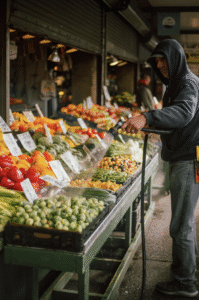
- Visit a Local Farmer’s Market: This is the best way to see what is truly in season in your area. Talk to the farmers, ask what’s fresh, and try something new. The experience itself is a wonderful way to connect with your community and your food source.
- Join a CSA Program: Community Supported Agriculture (CSA) programs are a great way to receive a box of fresh, seasonal produce each week. It takes the guesswork out of shopping and encourages you to get creative in the kitchen with ingredients you might not normally choose. Some of my favorite produce was a surprise from my CSA weekly box back in the day!
- Pay Attention in the Grocery Store: Look for signs indicating where produce is from. Choose items that are grown closer to home, as they are more likely to be in season. You’ll often find that seasonal produce is more affordable and tastes better.
- Plan Your Meals Around the Season: Instead of deciding what to make and then shopping for ingredients, try shopping for what’s in season first and then planning your meals. This approach sparks creativity and ensures your diet is varied and nutrient-rich throughout the year.
- Start Small: You don’t have to change your entire diet overnight. Begin by incorporating one or two seasonal items into your meals each week. The goal is progress, not perfection.
 Take the First Step Toward a More Nourished Mind
Your mental health is shaped by a unique blend of biological, psychological, and social factors, and every gentle step you take can make a difference. While eating with the seasons isn’t a cure-all, it is a compassionate act of self-care, one that supports both body and mind and invites a greater sense of balance, connection, and control into your daily life.
When you align your meals with the rhythms of nature, you’re offering yourself more than just nourishment, you’re creating opportunities to thrive, deepen your connection to the present moment, and gently encourage your mind toward growth and healing.
If you’re curious about how small changes can make a big impact on your mental well-being, this is a kind and empowering place to start. As you explore seasonal eating, I encourage you to also reflect on how you feel along the way. Here are some journal prompts to guide your journey:
- How do I notice my mood or energy change when I include more seasonal foods in my meals?
- What emotions come up for me as I prepare and enjoy foods that are in season?
- In what ways does connecting to local, seasonal produce help me feel more grounded or mindful?
- How could I create more intentional moments around food to support my mental well-being?
Taking time to reflect can uncover small patterns and insights that support lasting change.
If you’re seeking personalized support on your journey, I’m here to help. My private practice offers therapy services for individuals in Brooklyn, NY, and throughout New York State, both in-person and via telehealth as well as Connecticut. Whether you want to improve your relationship with food, manage anxiety, or simply feel more connected and empowered in your daily life, you don’t have to do it alone. Reach out today to schedule a free consultation, together, we can nurture your mental health and help you take the next step toward a more vibrant, fulfilling life.
Sorry, the comment form is closed at this time.