

26 Dec When Helping Hurts: Recognizing When You Need to Step Back
Have you ever poured so much of yourself into helping someone you love that you ended up feeling emotionally drained or completely depleted? Maybe you’ve stayed up until 2 a.m. listening to a friend’s heartbreak, or you’ve been the go-to problem solver for a colleague in crisis. Offering support is deeply human, but when helping starts hurting, it’s time to reassess your limits.
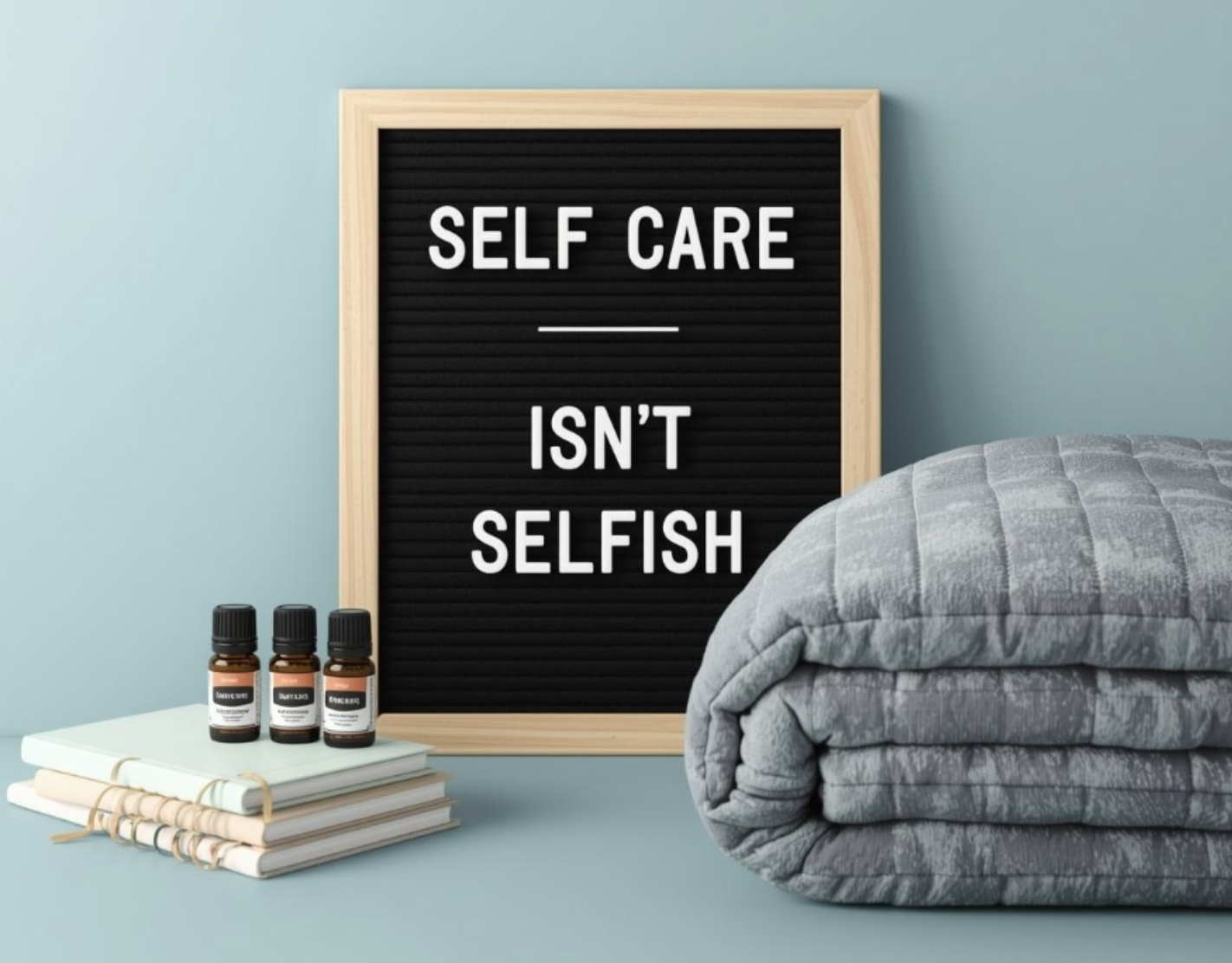
Stepping back isn’t selfish. It’s a necessary act of self-preservation that allows you to continue supporting others in meaningful, sustainable ways. In this post, we’ll explore how to recognize your emotional limits, what signs indicate you need to step back, and how to set compassionate boundaries without guilt.
Why Limits Matter, Even When Your Heart Is in the Right Place
Our instinct to help comes from empathy, compassion, and genuine care. But constantly giving without pausing to refill your own emotional reserves can lead to burnout and what mental health professionals call compassion fatigue. This emotional exhaustion often affects people who support others through ongoing stress, trauma, or crisis.
Recognizing your limits isn’t a failure. It’s emotional wisdom.
 Signs You’re Reaching Your Emotional Capacity
Before burnout hits full force, your mind and body usually send warning signals. If you notice any of the following, it may be time to pause and reevaluate how much you’re giving:
- Constant fatigue or feeling mentally overwhelmed
- Irritability, impatience, or sudden mood swings
- Growing resentment toward the person you’re helping
- Neglecting your own well-being or responsibilities
- Physical symptoms like headaches, tension, or insomnia
I once supported a close friend through a difficult breakup. I was answering every late-night call, rearranging my schedule for last-minute meetups, and replaying every emotional detail with her. Eventually, I felt myself becoming irritated, even though I loved her deeply. That resentment was my wake-up call. I needed boundaries, not because I cared less, but because I was giving more than I could sustain.
How to Tell When It’s Truly Time to Step Back
Stepping back doesn’t mean you’re abandoning someone during a hard moment. It means you’re committed to helping them in a healthy, grounded way.
Emotionally Heavy Situations
Certain scenarios require intense emotional labor, sometimes more than one person can bear:
- Supporting someone with addiction or mental illness.
- Being the primary caregiver for an aging parent.
- Helping a partner through chronic stress or burnout.
These situations can take a toll even on the strongest, most compassionate helpers. Recognizing that weight is the first step toward protecting your mental health.
The Fear of Guilt or Judgment
Guilt is often the biggest barrier to setting boundaries. Thoughts like:
- “If I step back, will they think I don’t care?”
- “Am I being selfish?”
But guilt doesn’t mean you’re wrong. It means you’re human.
Researcher Brené Brown explains it perfectly:
“Compassionate people ask for what they need. They say no when they need to, and when they say yes, they mean it.”
Healthy boundaries keep resentment from building and allow compassion to flow freely.
How to Step Back with Compassion and Clarity
Once you realize you’re approaching your limit, the next step is communicating your needs, kindly and honestly.
1. Have a Heartfelt Conversation
You don’t need a script, but these phrases can help:
- “I care about you so much, and I want to keep supporting you. Right now, I’m feeling overwhelmed and need a little time to recharge.”
- “I think bringing in someone like a counselor or support group could give you more of the help you deserve.”
2. Set Healthy, Sustainable Boundaries
Boundaries are not walls, they’re roadmaps for healthy connection.
Consider:
- Scheduling specific times when you’re available to talk
- Limiting heavy emotional conversations when you’re drained
- Redirecting them to professionals, hotlines, or peer support resources
Nedra Glover Tawwab’s Set Boundaries, Find Peace is an excellent resource for learning how to set limits with love.
3. Encourage Professional Support When Needed
If someone’s challenges exceed what you can emotionally or practically handle, guiding them toward professional care is an act of true support, not avoidance.
Helpful Resources for Protecting Your Emotional Well-Being
Books.
- Set Boundaries, Find Peace by Nedra Glover Tawwab
- The Gifts of Imperfection by Brené Brown
- When the Body Says No by Dr. Gabor Maté
Professional Support
Therapists and counselors can help you explore boundary-setting, manage guilt, and navigate emotionally heavy situations. Feel free to reach out and schedule a free consultation, we are here to accompany you in your self-discovery and healing journey.
 Take Action: Check In With Yourself Today
Stepping back isn’t a sign of weakness, it’s a powerful act of self-respect. Ask yourself:
- Where in my life do I feel emotionally drained?
- Am I regularly prioritizing my own well-being?
- What small boundary could I set today to protect my mental health?
Try journaling your reflections or asking yourself: When was the last time I felt truly rested or at peace?
Remember, taking care of yourself isn’t just an act of self-love, it’s an investment in your ability to help others in the long run. Empower yourself to make that choice. You deserve it.
Sorry, the comment form is closed at this time.