

20 Nov What You Eat Feeds Your Mood: A Guide to Nutrition and Mental Health
Have you ever noticed how a week of takeout meals and sugary snacks can leave you feeling not just sluggish, but also irritable, anxious, or down? It’s not just in your head, the connection between nutrition and mental health is powerful and profound. As a psychologist specializing in nervous system healing and holistic wellbeing, I see this link play out every day. The food on your plate is one of the most accessible and effective tools you have for supporting emotional balance and mental wellbeing.
Many of my clients come to therapy feeling stuck. They might be wrestling with the lingering effects of trauma, chronic stress, or persistent anxiety. While we do deep work exploring their history and helping regulate their nervous system, we also look at the foundational pillars of mental health, sleep, movement, connection, and, you guessed it, nutrition. What we eat directly impacts brain chemistry, inflammation, and gut health (often called our “second brain”) which plays a crucial role in how we think and feel each day.
This isn’t about restrictive dieting or aiming for perfection. It’s about nourishment and mindful eating. It’s about understanding that food is information for your body and brain. Let’s explore how you can start using nutrition to support your mood, reduce anxiety, and strengthen your mental health, one bite at a time.
Your Brain on Food: More Than Just Fuel

Think of your brain as a high-performance engine that runs 24/7. Just like a car, it needs premium fuel to function smoothly and efficiently. Processed and refined foods are like low-grade fuel, they’ll get you there, but the ride will be bumpy, and over time, they can cause inflammation and cognitive decline. In contrast, nutrient-dense whole foods provide the vitamins, minerals, and antioxidants your brai
n needs to thrive and stay resilient.
Dr. Drew Ramsey, a pioneer in nutritional psychiatry and author of Eat to Beat Depression and Anxiety, explains this beautifully. He highlights that our brains are literally built from fats, proteins, vitamins, and minerals, and the quality of these building blocks depends directly on what we eat. When we don’t get enough key nutrients for brain health, like omega-3 fatty acids, B vitamins, magnesium, and zinc, we can impair the brain’s structure and function. Over time, this nutritional imbalance can contribute to depression, anxiety, and low mood.
For example, I once
worked with a client, let’s call him Aidan, who struggled with persistent low-level anxiety and brain fog. He often described feeling “fuzzy” and disconnected. He was doing the therapeutic work, but something was still off. When we looked at his diet, we realized he was skipping breakfast and relying on coffee and sugary pastries to power through the morning, followed by a carb-heavy lunch that led to an afternoon crash. His brain was on a rollercoaster of blood sugar highs and lows, which only amplified his anxiety and fatigue. Once he began incorporating balanced meals with protein, fiber, and healthy fats, his focus improved and so did his mood.
The Gut-Brain Axis: Your Second Brain Is Talking
One of the most exciting areas of research in mental health and nutrition is the gut-brain axis, the two-way communication highway between your gut and your brain. Your gut is home to trillions of microorganisms, collectively known as your gut microbiome. A healthy, diverse microbiome helps produce key neurotransmitters such as serotonin and dopamine, which play vital roles in mood regulation, focus, and emotional balance. In fact, nearly 95% of your body’s serotonin is produced in the gut, not the brain, a powerful reminder that gut health is mental health.
When your gut is out of balance, a state called dysbiosis, it can trigger inflammation throughout the body. Chronic gut inflammation is a known contributor to depression, anxiety, and brain fog. Think of it this way: when your gut is inflamed, it sends distress signals to your brain, activating a threat response in your nervous system. This ties directly into polyvagal theory, which explores how the body’s sense of safety or danger shapes our emotional state. In other words, a distressed gut tells your nervous system that you’re not safe, even when nothing external seems wrong.
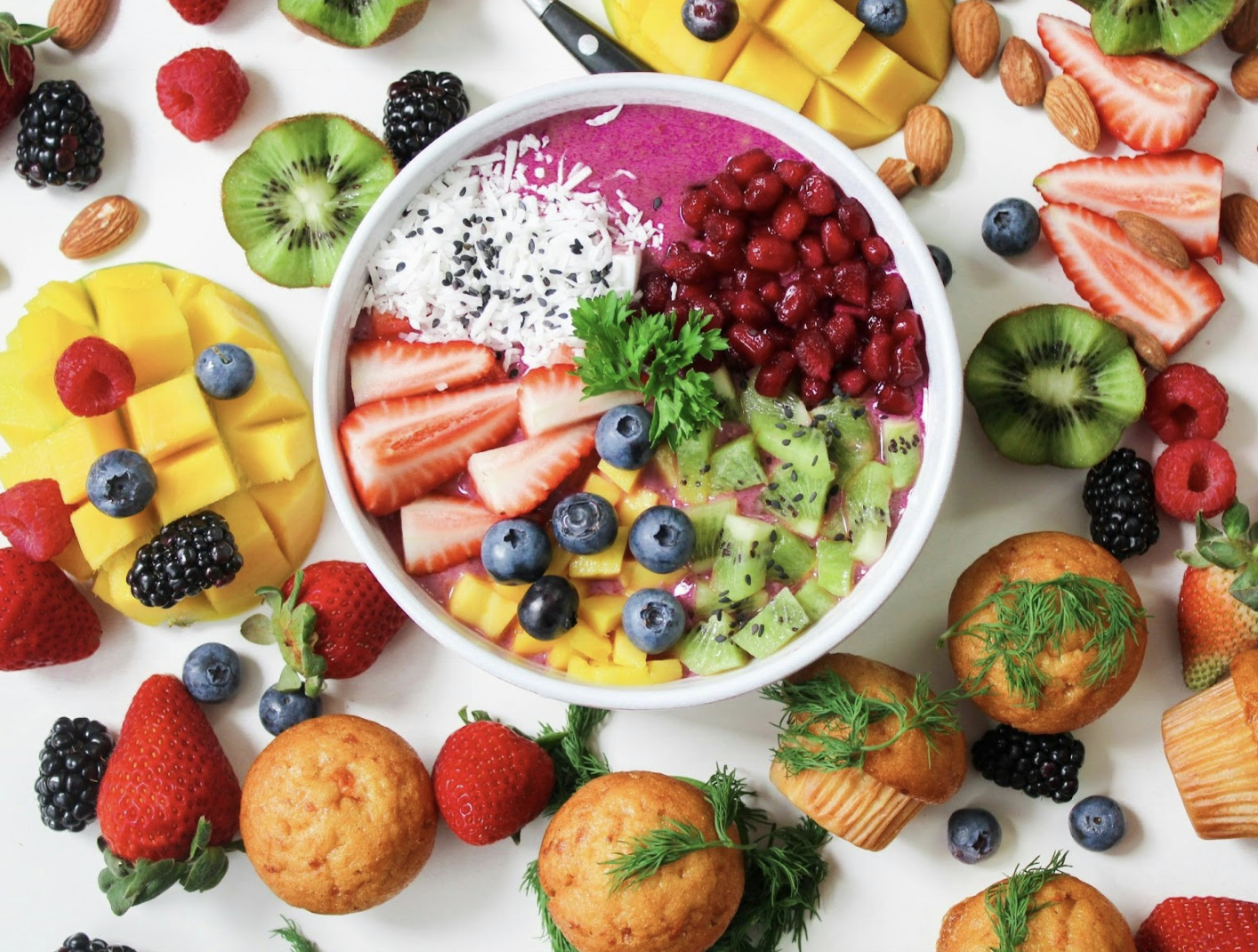
Aidan began to heal this mind-body connection with one small shift: he replaced his morning pastry with a smoothie packed with fiber-rich produce, healthy fats, and protein. This simple change stabilized his blood sugar, fueled his brain, and began to nourish his gut microbiome. Within just a few weeks, he noticed that he felt clearer, calmer, and more grounded, proof that supporting gut health can directly improve mood and mental clarity.
Foods That Fight for Your Mental Health
So, what should you eat to support your mental health and emotional wellbeing? Dr. Drew Ramsey’s research in nutritional psychiatry highlights several key food groups that provide the nutrients your brain needs most, including B vitamins, iron, omega-3 fatty acids, magnesium, and zinc. These are the building blocks for optimal brain function, mood regulation, and stress resilience.
Here are some of the top mood-boosting foods to add to your grocery list:
-
Leafy Greens: Kale, spinach, and Swiss chard are nutritional powerhouses (though best in moderation if you’re sensitive to oxalates). They’re rich in folate, a B vitamin essential for serotonin production. Low folate levels have been linked to depression and fatigue, making these greens a powerful ally for mental wellness.
-
Colorful Vegetables: Think “eat the rainbow.” Bell peppers, carrots, sweet potatoes, and beets are loaded with antioxidants that combat inflammation and oxidative stress in the brain. These vibrant veggies protect brain cells and help maintain mental clarity and focus.
-
Fatty Fish: Salmon, mackerel, and sardines are packed with omega-3 fatty acids, which are crucial for building brain cell membranes and reducing inflammation. Diets rich in omega-3s are linked to lower rates of depression and anxiety.
-
Nuts and Seeds: Walnuts, chia seeds, flaxseeds, and Brazil nuts are excellent plant-based sources of healthy fats. They deliver omega-3s, magnesium, and selenium, all essential nutrients for mood stability and stress reduction.
-
Legumes: Lentils, chickpeas, and black beans are high in fiber, which feeds your beneficial gut bacteria. They also supply iron and B vitamins, supporting both energy levels and emotional balance.
-
Fermented Foods: Yogurt with live cultures, kefir, kimchi, and sauerkraut help populate your gut with probiotics:beneficial bacteria that strengthen the gut-brain connection and support mood regulation.
And just as important as what you add is what you reduce. Highly processed foods, refined sugars, and excessive alcohol can disrupt your microbiome and promote inflammation, working against your brain’s natural healing processes. Focusing on whole, nutrient-dense foods helps restore balance and resilience both physically and emotionally.
If you’re ready to take a deeper dive into how nutrition can support your mood and mental health, I highly recommend exploring Leslie Korn, PhD’s book “The Good Mood Kitchen”. It’s filled with easy-to-follow tips, delicious recipes, and step-by-step strategies to help you build eating habits that truly nourish your mind and body.
You’ll learn how to identify your unique nutritional needs, make simple swaps for problem foods, and discover how to use everyday ingredients to support energy, focus, and emotional balance. This book is a fantastic resource for anyone looking to eat healthier and feel happier one meal at a time.
 Journal Prompts for Self-Discovery
Knowledge is one thing, but personal insight is where real change happens. Use these prompts to explore your own relationship with food and mood.
- Track and Reflect: For three days, jot down what you eat and how you feel mentally and emotionally an hour or two later. Do you notice any patterns? Does a certain food leave you feeling energized and clear, or sluggish and irritable?
- Childhood Food Memories: What foods did you eat growing up during times of stress or celebration? How do those memories influence your eating habits today?
- One Small Change: What is one small, nourishing change you could make to your diet this week? It could be adding a handful of spinach to your eggs, swapping a soda for sparkling water, or eating a piece of fruit for a snack. How might this one change support your wellbeing?
Healing Is Holistic
Integrating nutritional awareness into your mental health journey is one of the most compassionate acts of self-care you can offer yourself. It’s a way of resourcing your body on a cellular and nervous system level, complementing the work you do in therapy to heal your mind and restore emotional balance. When you nourish your body with whole, nutrient-rich foods, you also support your mental clarity, resilience, and mood regulation.
Remember, this is a practice, not a test. There is no “perfect” diet, only the process of becoming more aware of how food affects your energy, emotions, and sense of safety. The goal isn’t restriction, but mindful nourishment. Some days will feel easier than others, and that’s perfectly okay. Progress in holistic healing is built through small, consistent choices that honor both your body and your mind.
If you’re feeling overwhelmed by anxiety, depression, or the lingering effects of trauma, know that you don’t have to navigate it alone. Building a foundation of physical wellness through nutrition can be a powerful first step, but professional support can provide the safety and guidance needed for deeper, lasting transformation. If you’re ready to explore how a holistic, trauma-informed approach can support your healing, I invite you to reach out and learn more about working together on your mental health journey.
Sorry, the comment form is closed at this time.