


14 Nov The Heavy Halo of an “Old Soul”: A Burden or Blessing?
When Growing Up Too Fast Steals Your Childhood
In a world where childhood should be a time of play, laughter, and carefree exploration, not everyone gets to experience this innocence. For some, a turbulent family environment demands an abrupt end to youth. They are thrust into adult roles and responsibilities far beyond their years, often described as “having to grow up too fast.”
This experience is especially common among adult children of dysfunctional families, where emotional instability or neglect forces them to become caregivers or emotional anchors before they’re ready.
Recognizing the Signs of Growing Up Too Fast
The impact of growing up too quickly is profound, leaving indelible marks that can shape adulthood. Many of these individuals often hear, “You’re such an old soul.” While meant as a compliment, the reality behind this phrase is more complex.
The term “old soul” can unintentionally conceal the emotional weight of premature maturity, a coping mechanism for surviving instability. Dr. Jane Doe, a clinical psychologist, notes, “The ‘old soul’ label can inadvertently mask the very real struggles of those who have had to grow up too fast, delaying their own developmental needs.”

Those who carry this emotional halo may show signs such as:
- Heightened independence or self-reliance
- A strong tendency to parent others
- Consistently prioritizing others’ needs over their own
This pattern often evolves into high-functioning codependency, where self-care becomes secondary to helping others.
Understanding the Hidden Burden of Early Maturity
The burden of early maturity can be heavy, taking a toll on both mental and emotional health. Those who “grow up too fast” often find themselves caught in cycles of chronic stress, anxiety, and emotional burnout.
Dr. Alex Smith, a licensed therapist, explains, “Recognizing high-functioning codependency is crucial in understanding how early familial trauma can shape our adult lives and relationships.”
Over time, this constant caretaking can lead to codependent relationships, making it difficult to prioritize personal growth, self-worth, or emotional fulfillment.
Coping Strategies for Emotional Healing and Self-Care
Breaking free from the invisible chains of early maturity requires conscious effort, compassion, and intentional healing. Here are a few practical coping strategies for emotional well-being:
- Set Boundaries
Learn to say no without guilt. Healthy boundaries protect your mental and emotional space, allowing you to rebuild balance and self-respect.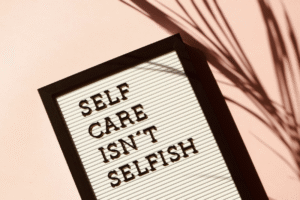
- Prioritize Self-Care
Self-care is not indulgence, it’s survival. As Prof. Taylor Lee reminds us, “Self-care is not a luxury for those who have had to be caregivers. It is a necessity for reclaiming one’s own life and well-being.” - Seek Professional Support
Therapy provides a safe environment to process emotions and develop healthier coping mechanisms. Working with a mental health professional can be transformative for those healing from childhood trauma or codependency. - Build a Supportive Community
Surround yourself with people who understand your journey and respect your growth. A supportive network nurtures resilience and reinforces self-worth.
The Road to Healing and Rediscovery
Healing from the effects of growing up too fast is a gradual, deeply personal process. It’s about reclaiming identity, rebuilding self-esteem, and forming relationships grounded in authenticity.
Dr. Michael Chang, a psychiatrist, emphasizes, “Healing from early life trauma and the burden of growing up too fast is a journey of self-discovery, self-compassion, and setting healthy boundaries.”

By acknowledging past pain and practicing self-compassion, individuals can release old survival patterns, overcome high-functioning codependency, and rediscover their true selves.
Final Reflections: Turning Burden into Blessing
The experience of being an “old soul” often carries a quiet wisdom, but it can also reflect unspoken hardships. Recognizing the emotional burden of early maturity is the first step toward healing and growth.
If you identify with this journey, remember: you are not alone. Compassion, connection, and professional support can help you transform your pain into purpose and rediscover joy in your own story. I invite you to reach out to explore working together on your healing journey.
Sorry, the comment form is closed at this time.