
We originally shared this post last year, and it feels like the right time to revisit it as discussions around trauma and escapism remain just as important today. If you are that type (Like me!)… Have you ever wondered why you’re drawn to horror movies, horror/ mystery books, or violent video games? Perhaps even more so during difficult times? You’re not alone. Many individuals find solace in scary content as a means of escaping real-life stressors, dysfunction, and/ or traumas. Horror can also offer a structured way to engage with difficult emotions. This phenomenon, known as “trauma response escapism,” can......

Have you ever found yourself staring out a window, completely mesmerized by the gentle sway of tree branches or the slow drift of clouds across the sky? For a few moments, the constant buzz of your to-do list fades, and your mind feels quiet. This experience, often dismissed as simple daydreaming, is actually a powerful mental state known as “soft fascination.” It’s a key to resetting your brain, calming your nervous system, and restoring your ability to focus. As a therapist specializing in nervous system healing, I often see clients who feel completely drained. They describe a state of constant......

Have you ever stopped to notice how you breathe? Breathing is something we do thousands of times a day, often without a second thought. Yet this simple, automatic process holds profound power over our physical health, mental clarity, and emotional well-being. As a therapist specializing in nervous system healing and trauma recovery, I’ve seen firsthand how transforming your breath can transform your life. Breathing is one of the most direct pathways we have to communicate with our nervous system, sending signals of safety and calm. Many clients come to me feeling overwhelmed, anxious, or stuck. They describe living in a......

Have you ever found yourself avoiding something you know is good for you? Maybe it’s putting off that phone call to schedule your first therapy session. Or perhaps you’re in therapy and suddenly find yourself canceling appointments, showing up late, or feeling an overwhelming urge to talk about anything but the deep stuff. This, my friend, is resistance. And it’s one of the most normal and misunderstood parts of the healing journey. As a therapist specializing in nervous system regulation and trauma healing, I see resistance show up in my office all the time. It’s not a sign that you’re......

What’s your communication style in relationships? Do you notice yourself over-explaining or oversharing just to make sure you’re understood? Or do you tend to withdraw, holding back your feelings to avoid conflict or rejection? These aren’t random habits, they often stem from something deeper, known as trauma communication. Trauma communication is more than just the words you use. It’s the way past experiences, especially traumatic ones, shape how you connect (or struggle to connect) with others. If you’ve ever felt dismissed, misunderstood, or lonely in your relationships, you’re not imagining it. Trauma impacts not only how you express yourself, but......

Perfectionism often masquerades as a strength. You might find yourself chasing flawless outcomes, fearing mistakes, and holding impossibly high standards, not just for yourself, but for those around you. While society glamorizes perfectionism as a hallmark of high achievers, there’s a deeper story beneath this behavior. For many, perfectionism isn’t just a personality trait, it’s an adaptive trauma response, rooted in the survival wisdom of your nervous system. If you’ve been hard on yourself for being “too controlling” or “never satisfied,” pause for a moment. What if your perfectionism is not a flaw, but a coping mechanism designed to help......

Navigating life’s challenges can feel overwhelming, whether you’re dealing with high-stress work situations, personal struggles, or simply trying to manage the emotional ups and downs of modern life. But what if the secret to overcoming these difficult moments lies in something simple yet transformative like practicing consistent self-care? Self-care isn’t just about pampering yourself; it’s a scientifically backed way to strengthen emotional resilience. When you prioritize your mental, emotional, and physical well-being, you build the capacity to bounce back from adversity, reduce stress, and thrive. It is the definition of prevention.  In this guide, we’ll explore what emotional resilience is,......

Have you ever caught yourself taking on more than your fair share, whether at work, in relationships, or with family, just to make sure everything runs smoothly, keep the peace, or even to avoid conflict? Maybe you’re the one who jumps in to plan holiday gatherings, takes on extra work without being asked, or becomes the emotional support system for everyone in your life.  While this might feel generous and even earn praise, there’s often a deeper story behind the behavior known as over-functioning. For many people, over-functioning isn’t just a random habit. It’s often a subconscious survival strategy, rooted......

A New Era in Mental Health and Wellness Mental health and wellness are finally getting the attention they deserve. While there’s still work to be done in making support more accessible, we’ve made real progress both in awareness and in developing innovative therapeutic techniques. One powerful, yet often overlooked, method is sound therapy. But can something as simple as sound truly support our healing journey? Let’s find out. What Is Sound Therapy? Sound therapy is defined by the British Academy of Sound Therapy as a technique that “uses sound, music and specialist instruments played in therapeutic ways” to enhance well-being.......

Stress is an inevitable part of life, but its effects go beyond the mental strain we often associate it with. It creeps into our muscles, impacts our posture, disrupts digestion, and can take an overall toll on physical wellness.  Ever hear someone refer to it as ‘carrying a heavy burden’? Identifying where we hold stress in our bodies is the first step toward releasing it and achieving balance. Understanding how stress uniquely manifests across genders, ways to release tension effectively, and how the mind-body connection plays a pivotal role in stress management can be life-changing. File Name: mind-body-stress-connection-black-white-texture.jpg Where Does......

Setting boundaries isn’t about shutting people out, it’s about saying yes to yourself. It’s about developing a healthy sense of self, free from enmeshment in your family systems, family of origin, or work settings free of dysfunction. For working parents, entrepreneurs, those focused on self-development, or anyone seeking better time management and stress reduction, boundaries are essential tools. They help you balance a life full of competing priorities. They aren’t walls; they’re bridges to a healthier, happier you. Boundaries protect your time, energy, and emotions, enabling you to focus on what matters most. They help you get clear about your......



Have you ever just felt stuck? Overwhelmed? Unable to tease out the thoughts, emotions, and energies roiling through your body? Making sense of difficult, uncomfortable, or intense emotions, thoughts, and needs, especially in tense, conflict-ridden, or traumatic situations, can be onerous at best and inundating at worst. Personally, my relationship with words has waxed and waned over my lifetime, sometimes it pours out of me and simply cannot be dammed up. Other times, there is an empty, blank space without a thought in sight that feels worthy to be written. Then there are moments when I find myself spontaneously inspired,......

Curiosity is a powerful trait that inspires us to explore, learn, and grow. But did you know it can also help you manage anxiety and boost mental health? Embracing a curious mindset can shift your focus from fear and uncertainty to exploration and opportunity. Why Curiosity Is a Powerful Tool for Growth More than just a passing interest, curiosity is a mindset that supports lifelong learning and adaptability. When you remain curious, you adopt a growth mindset, the belief that you can improve through effort and learning. As Angela Duckworth, author of Grit, puts it: “Curiosity is the engine of......

What Does Holding Space Mean? Have you ever tried to suppress, ignore, or control intense emotions like sadness, anger, frustration, or even joy? Often, our instinct is to fix these feelings. But emotional well-being doesn’t come from controlling or erasing our emotions. Instead, it’s cultivated by “holding space” allowing feelings to exist without judgment or expectation. This is considered more of a witnessing of emotion.  Incorporating mindfulness and emotional intelligence, holding space provides room for what we might more traditionally know as “self-regulation” and emotional management, crucial components for personal growth and resilience. Understanding Self-Regulation Self-regulation refers to managing emotional......

Have you ever felt suddenly uneasy from a sound, glance, or awkward silence? These subtle cues profoundly impact your nervous system, influencing your emotions and behavior. Polyvagal Theory (PT), developed by Dr. Stephen Porges, offers deep insights into these automatic responses, reshaping approaches in mental health, education, and personal wellness by revealing how we navigate between connection and protection. Although the language can be sciencey and a bit of a mouthful, let’s see if we can break it down in a way that feels easier to grasp and practical to your every day life.  What is Polyvagal Theory? Polyvagal Theory......

Trauma bonding is a concept that often triggers intense emotions and deep reflection—highlighting the complex interplay of attachment, pain, and intimacy in relationships. Rooted deeply in psychology, trauma bonds can significantly impact emotional health, allowing people to feel deeply seen, although sometimes the blurred boundaries and intensity can be destructive. But what exactly constitutes a trauma bond, and can such connections ever evolve into genuinely healthy relationships? What is Trauma Bonding? Trauma bonding describes a powerful emotional attachment formed within relationships marked by cycles of abuse, manipulation, or emotional turmoil. Central to these bonds is intermittent reinforcement—a psychological mechanism characterized......

Have you ever paused to consider what content you spend your time-consuming? Whether it’s podcasts during your commute, news apps at lunch, or evening conversations, every interaction influences your beliefs and worldview. Mindful consumption involves deliberately selecting the content and influences you allow into your life. Amid today’s overwhelming media environment, intentional consumption is crucial. Ask yourself: Are you shaping your environment intentionally, or is your environment shaping you? How Consumption Sources Impact Your Life Media: Your Window to the World Media heavily shapes our perceptions of events, societal issues, and ourselves. Yet, media bias and personalized algorithms can trap......

Living with chronic health challenges and medical diagnoses can often feel like an invisible battle, a struggle fought silently, yet deeply felt. Emotional experiences such as confusion, overwhelm, anger, determination, grit, and hope weave into the daily lives of individuals facing these challenges. Despite the hidden nature of these experiences, the impacts are profound, influencing not only those living with chronic conditions but also their caregivers and healthcare professionals. It’s time we bridge the gap between struggle, support, and advocacy. The Unseen Struggles of Chronic Health Conditions Chronic health conditions often don’t show outward signs, yet they dramatically affect day-to-day......

Do you often feel paralyzed by your own high standards? Maybe you delay starting projects because you’re waiting for everything to feel “just right,” or you’re overwhelmed trying to control every tiny detail. While perfectionism can sometimes fuel success, it often leads to anxiety, procrastination, and disconnection from true self-acceptance. If you find yourself caught in the perfectionist trap, you’re not alone. What Is Perfectionism Really About? Striving for perfection can seem admirable. Many people wear their perfectionism as a badge of honor, linking it to productivity, high achievements, and excellence. However, beneath the surface, perfectionism often brings emotional exhaustion,......

The Struggle: Society vs. Creativity Have you ever felt the pressure to “stay in the lines”? Society often rewards conformity while quietly discouraging creative freedom While structure has its place, this mindset can smother authentic self-expression. I remember painting a mural for a school play in the late ‘80s—armed with neon paints and inspiration from Brandy and Monica. Although it was just a backdrop, it lit me up. But when my teacher reacted with confusion rather than encouragement, I felt misunderstood. That moment stuck with me and made me question my instincts. It’s these subtle experiences that highlight the quiet tension......

Many people on a healing journey reach a point where traditional talk therapy isn’t enough. That was the case with one of my long-term clients—let’s call him Jax. After years of therapy, nervous system retraining (like DNRS and Gupta Program), health coaching, breathwork, and even cryotherapy, Jax would still say, “It just feels like there is something stored in my body that I can’t reach.” That feeling isn’t unusual. Trauma often lives not only in the mind but also in the nervous system. Somatic Experiencing® (SE), a body-based therapy, offers a powerful, holistic approach for releasing deeply held trauma by......

Rethinking Vulnerability: Strength in Emotional Openness For many, the word vulnerability immediately conjures images of weakness, insecurity, or even neediness. In today’s world, we’re often rewarded for appearing self-assured, invulnerable, and always in control. But what if vulnerability isn’t weakness at all? What if it’s actually one of life’s greatest strengths? Rather than avoiding it, what if we embraced vulnerability as the key to deeper relationships, emotional strength, and personal growth? Vulnerability Doesn’t Equal Weakness It’s essential to recognize the difference between genuine vulnerability and emotional dependency. Vulnerability is a conscious, authentic act — sharing your truth, your fears, your......

“Be fearless in the pursuit of what sets your soul on fire.” These powerful words remind us that chasing our dreams requires courage, even when fear threatens to hold us back. Whether you’re an entrepreneur, a creative dreamer, or someone exploring personal growth, fear is a universal experience in the pursuit of the extraordinary. But how do we push past fear? How do we move beyond the what-ifs and use fear as fuel rather than a roadblock? In this blog, we’ll explore how to overcome fear, shift your mindset, and take action toward your dreams. Understanding Fear Fear is a......

Do you feel stuck yet still manage to keep up with daily responsibilities? This paradox could indicate a lesser-known stress response called high-functioning freeze. While many recognize the fight-or-flight response to stress, the freeze response is equally significant—and more common than we realize. High-functioning freeze occurs when you appear outwardly productive but feel internally disconnected, overwhelmed, or paralyzed. It’s as if both the brake and the gas pedal are being pressed simultaneously. You meet deadlines, maintain relationships, and appear “normal,” yet inside, you feel depleted, numb, or stuck. Essentially, you are functioning on auto-pilot.  What Causes High-Functioning Freeze? This response......

Expand Your Comfort Zone by Understanding the Window of Tolerance (or as I call it… The Window of Welcome!) The nervous system acts as our body’s command center, constantly shaping how we respond to the world. An essential concept— the Window of Tolerance (WoT)— or what I like to refer to as the Window of Welcome (WoW), plays a crucial role in regulating stress, resilience, and social connection. But what do these terms mean, and how do they affect our emotional well-being? What Is the Window of Tolerance? The Window of Tolerance refers to the range in which a person......

Welcome the Spring Equinox with Fresh Energy and New Beginnings Spring brings the promise of warmer days, longer daylight, and nature’s renewal. As I bike to work each morning, I’ve noticed the birds chirping a little louder, as if they too sense the shift in seasons. Spring is a time of growth, transformation, and fresh starts. Many cultures around the world celebrate the arrival of spring as their New Year—from the Holi Festival of Colors in India to Higan in Japan, the Lunar New Year in China, and Baba Marta Day in Bulgaria. These traditions mark a collective awakening—a time......

Challenging Fear Means Building Resilience in the Unknown Stepping out of your comfort zone and challenging fear can be unnerving. The fear response kicks in, and suddenly, you’re second-guessing your decision to try something new. What’s the benefit? What’s the payoff? How do you tap into motivation to keep going? Yet, beyond that fear lies personal growth—a place where you push your boundaries, deepen resilience, and transform your life in ways you never thought possible. This is often referred to as the “growth edge”—the intersection of fear and opportunity. But what exactly is this growth edge? How do fear, unfamiliarity,......

Have you ever felt a sense of calm when talking to someone who genuinely listens? Or perhaps a sudden wave of unease in response to another person’s anxiety? These experiences highlight an essential psychological and physiological process known as co-regulation. Rooted in Polyvagal Theory, co-regulation plays a crucial role in emotional well-being, helping adults navigate complex social interactions. Mastering co-regulation can strengthen relationships, enhance self-awareness, and foster healthier social dynamics. Let’s explore what it means and how to incorporate it into daily life. What is Co-Regulation? Co-regulation refers to the mutual exchange of emotional and physiological cues between individuals that......

The journey to mental health and well-being is as diverse as the individuals seeking healing. From traditional psychotherapy to innovative body-focused approaches, there is a growing recognition that true recovery comes from addressing both the mind and body. This blog explores top-down and bottom-up processing therapies, their methodologies, and their transformative potential in mental health. Understanding Holistic Top-Down and Bottom-Up Approaches To fully appreciate these therapies, it’s essential to understand the key differences between top-down and bottom-up processing approaches. What is Top-Down Processing? Top-down approaches focus on the cognitive aspects of healing, utilizing conscious thought, reasoning, and awareness to manage......

What Is Integrative Mental Health? In recent years, the healthcare industry has increasingly recognized the need for a holistic approach to mental health. Rather than solely relying on traditional psychology, integrative mental health considers the whole individual—mind, body, and environment—to create a personalized treatment plan. This approach moves beyond symptom management and aims to uncover the root causes of mental health challenges, leading to long-term well-being. Understanding the Root Causes of Mental Health Challenges Many traditional mental health treatments focus on alleviating symptoms rather than addressing the underlying causes of conditions like anxiety, depression, and ADHD. Integrative mental health shifts......

Have you ever felt uncomfortable accepting a compliment, a gift, or even an act of kindness? You’re not alone. While much of the self-help world emphasizes the importance of giving, we often overlook the emotional and psychological benefits of receiving. Yet, receiving is just as essential to our emotional wellness as giving. Receiving can be a powerful act, although it can be difficult. So, how do we learn to accept others’ generosity with grace and comfort, without awkwardness or discomfort? How do we foster a deeper connection, a sense of self-worth, and balance in life? The Importance of Receiving Receiving......

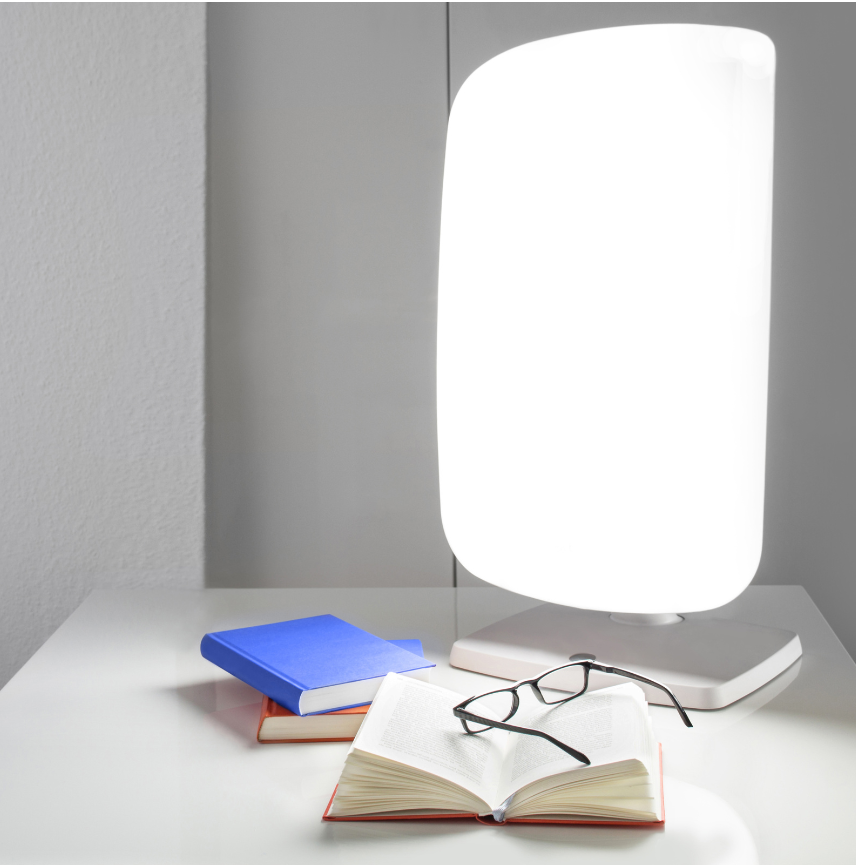
How Light Boxes Can Transform Your Health As the seasons shift, they bring more than just cooler temperatures, shorter days, and longer nights. These changes can impact your mood, energy levels, and overall well-being. For many, winter’s dark and dreary months trigger Seasonal Affective Disorder (SAD) or general feelings of sluggishness and fatigue. Fortunately, light box therapy offers a powerful, science-backed solution to combat these seasonal challenges and improve your mental and physical health, mood, and productivity. What Is Light Box Therapy? Light box therapy, also known as phototherapy, involves exposure to a special device that mimics natural sunlight without......

In today’s fast-paced world, physical manifestations of stress are more common than ever. Tense shoulders, clenched jaws, and furrowed brows are not just fleeting reactions—they are often signs of chronic tension that can drain energy and disconnect people from their bodies. Relaxing is essential to counteract these effects, as the tension we notice is just the tip of the iceberg, with deeper stress often lurking beneath the surface of our awareness. Why Relaxing is Key to Holistic Wellness True wellness goes beyond physical health—it involves harmony in the body, mind, and spirit. Relaxation isn’t a luxury; it’s an essential practice......

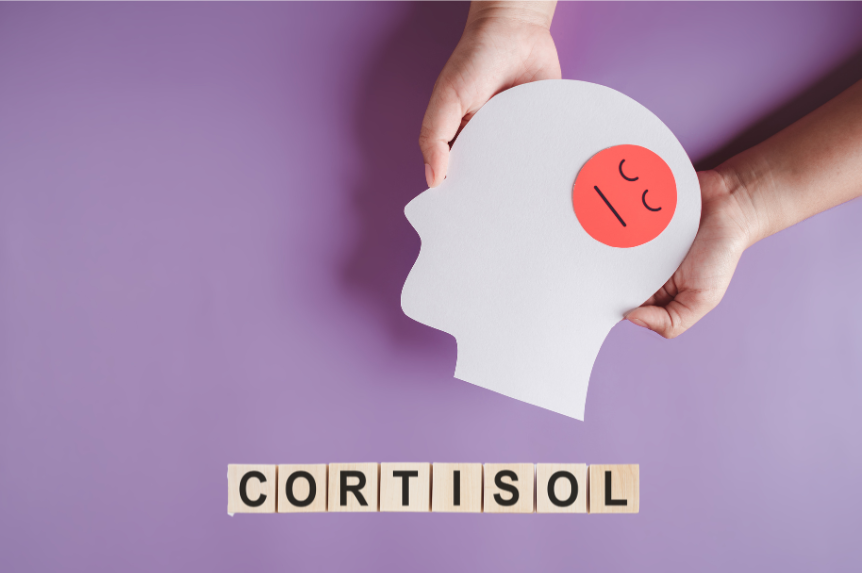
Several years ago, I worked with a client, Jamie (name changed for privacy), who had a history of complex PTSD stemming from a challenging, chronically dysfunctional upbringing. Jamie’s parent had an unmanaged severe mental health disorder, leaving deep emotional scars. As an adult, Jamie made intentional efforts to seek healthier relationships and escape chaos. Yet, difficult people—those who betrayed their trust or took advantage of their kindness—continued to appear in Jamie’s life. Frustrated, Jamie asked, “Why do I feel like I’m attracting this? What am I missing?”   What Is Cortisol and Why Is It Important? Cortisol, commonly known as......

“Someday you will be old enough to start reading fairy tales again.” This timeless quote from C.S. Lewis captures the enduring magic of fantasy fiction. Once thought to be a genre for children, fantasy books like A Court of Thorns and Roses (ACOTAR) by Sarah J. Maas and Fourth Wing by Rebecca Yarros have sparked a cultural phenomenon among adults. These stories are more than escapism—they offer a way to process emotions, heal, and connect with others. So, why do we keep returning to these enchanted worlds? Let’s dive into the psychology behind fantasy fiction’s appeal and why it’s more......

As we step into a new year, many of us look for ways to reset, recharge, and align our mental and physical health goals. Reiki, a powerful energy-healing practice, is the perfect addition to your New Year’s self-care routine. Whether you’re seeking emotional clarity, reduced stress, or a deeper connection to your inner self, Reiki can support your journey into 2025. Read on to discover its origins and potential impact on the mind-body connection. Case Studies and Personal Stories on Reiki’s Effects on Mental Health Many individuals have experienced the positive effects of Reiki on their mental health. For example,......

For go-getters, planners, and perfectionists, rest often feels counterproductive or even challenging. Many clients managing chronic illnesses or mental health challenges tell me, ‘Relaxing doesn’t feel relaxing,’ or, ‘I don’t know how to relax.’ In our fast-paced Western culture, rest is undervalued and rarely taught. Often, people become good at rest only after experiencing burnout or chronic stress, learning through necessity rather than guidance. But what if deep rest is not the enemy of progress, but rather a powerful catalyst for healing and growth? Especially for those managing chronic illnesses, mental health challenges, or chronic pain, rest can feel revolutionary.......

The start of a new year often brings pressure to set ambitious goals and resolutions. But what if life doesn’t go as planned? Unexpected challenges and shifting priorities can make rigid goal-setting overwhelming, leading to burnout and frustration. Instead, consider a gentler approach: intention setting. This mindful practice focuses on values and self-compassion, guiding you through life’s ebbs and flows. What is Intention Setting? Unlike traditional goal-setting, which emphasizes specific, measurable outcomes, intention-setting aligns your actions with your inner values. Think of it as a compass: it points you in the right direction while allowing flexibility for the journey. Instead......

Grief is a universal experience, touching everyone at some point in life. Yet, it manifests uniquely for each individual. Whether prompted by the loss of a loved one, the end of a significant relationship, or another life-altering event, grief can feel overwhelming. Amid its challenges, grief can also be a gateway to healing and growth. While it may sound cliché, grief creates space to reassess one’s needs, reflect on underlying patterns, and consider what’s truly working—or not—in life. What is Grief? Grief is not a single emotion but a complex and deeply personal response to loss. At its core, grief......

The holiday season is often described as “the most wonderful time of the year,” but for many, it’s also a period of heightened stress and emotional challenges. Between financial pressures, complicated family dynamics, and unmet expectations, the holidays can quickly become overwhelming. Whether you’re trying to create meaningful experiences, manage routines as a parent, or simply stay balanced, understanding common holiday triggers and equipping yourself with effective strategies can help protect your mental and emotional well-being.   Understanding Common Holiday Triggers Navigating this festive yet complex time starts with identifying the common stressors people face. While everyone’s experiences differ, some......

Feeling ambivalent, anxious, frustrated, or even scared about the American election? In the current political climate, it has become increasingly easy to be overwhelmed. With constant news updates, debates, and social media discussions, election anxiety is a very real and valid experience. So what, exactly, is American Election Anxiety? Election anxiety refers to the stress and apprehension individuals may experience when thinking about political events, processes, situations, or outcomes in relation to an election of a political figure. It can manifest as feelings of uncertainty, fear, and even hopelessness, which can feel pervasive, take away one’s felt sense of agency,......

If you are that type (Like me!)… Have you ever wondered why you’re drawn to horror movies, horror/ mystery books, or violent video games? Perhaps even more so during difficult times? You’re not alone. Many individuals find solace in scary content as a means of escaping real-life stressors, dysfunction, and/ or traumas. Horror can also offer a structured way to engage with difficult emotions. This phenomenon, known as “trauma response escapism,” can be a double-edged sword. While it may provide temporary relief through distraction and fantasy, it’s crucial to recognize when this coping mechanism becomes detrimental.   Escapism is often a......

Hey there, fellow Halloween enthusiasts! If you’re like me, you love the spooky season! Although at times, it can be hard to know the healthy boundary of what’s “just enough” scary and you can sometimes find yourself a bit on edge. Maybe you have some trauma in your past, or anxiety likes to crash your party. Don’t worry – you’re not alone, and you don’t have to miss out on the celebrations! This guide is all about navigating the tricks and treats of Halloween when your brain might be playing some not-so-fun tricks of it’s own or has a difficult......

In the intricate journey of mental health, finding small moments of brightness—or what we call “glimmers”—can be transformative. These flickers of light amidst life’s challenges offer hope and support for our nervous system, fostering resilience and well-being.   In this post, we explore the concept of glimmers and how cultivating safety cues can help regulate the nervous system and promote emotional balance.   What Are Glimmers? First introduced by Deb Dana, glimmers are fleeting moments of joy, comfort, or connection that signal safety to the nervous system. They can come in many forms: A stranger’s warm smile. The scent of......

This rainy season has me focusing on the here and now. As I push myself professionally to expand what I can offer to my clients, I have personally found life to be quite busy and fast-paced. So, I am attempting to ground myself in the present as best as I can through my senses and nature experiences....

This Winter, I found myself reconnecting with the Safe and Sound Protocol, or for short, the SSP. I have been listening to a newly added playlist called “Freely,” and I have found it to be absolutely lovely. It’s easy listening and leaves me feeling more connected to my body and experiencing a real sense of openness....

Uneasy about the holidays coming up? I can relate. It’s a time when whatever is complicated in our lives tends to get amplified. Whether we are ready or not, the holiday season is upon us. With that comes interruptions to our routine, a sensory overload of lights and sounds, and an influx of social situations to navigate. Loss, love, expectations, and boundaries. It will most likely get intense, even in the healthiest relationships (with yourself or others!)....

In one way, we can say that we made it!  In the last week alone, we slept through daylight saving time, lived to tell stories about a full blue moon (and on Halloween nonetheless!), and the last of our leaves are falling from the trees here in NYC. Oh!   And as I write this, it is 24 hours since polls have closed for the 2020 presidential election.  The pandemic has not entirely left us yet, but we are here to focus on small wins!  Shifting and adapting is on my mind....

Take a moment to think about your everyday routine. How often do you pause to observe your surroundings? Whether you live in a bustling city, a quiet suburb, or somewhere in between, nature offers powerful benefits for your mental health—if you take the time to notice.   Look around right now. What do you see? Hear? Feel on your skin? This simple act of observation is a mindful practice that can bring calm and clarity, no matter where you are.   The Power of Nature and Mindfulness Mindfulness has been a cornerstone of my work. I teach it daily in......

Welcome to my blog! I’m Dr. Sara, a licensed psychologist in New York, and I’m thrilled you’re here. This space is where I share candid thoughts, professional insights, and passions that go beyond my day-to-day work. If you’ve ever felt that social media posts are too short to dive deep into meaningful topics—but don’t have the time to read a full article or book—this blog is for you. Think of it as a balance: thoughtful, bite-sized reflections on mental health, wellness, and everything in between. Who Am I? Most people know me as Dr. Sara. I started my private practice......

Have you ever been caught off guard by how intensely you reacted to something “small”? A coworker’s offhand remark lands like a punch. A sudden change of plans brings a wave of anger or panic. You might even think, Why am I like this? Often, those big feelings don’t come from the present moment alone. They come from a younger part of you, your inner child, the part that learned early on what love, safety, and belonging required. Inner child work isn’t fluffy or imaginary. In trauma-informed therapy, we understand it as a meaningful way to connect with the emotional......

Do you ever feel like your relationships follow the same painful script: different person, same emotional pattern? You may notice yourself drawn to partners, friendships, or dynamics that feel intense, unpredictable, or draining. Even when those relationships leave you depleted, they can feel oddly familiar. If that sounds true for you, you are not alone. Many people carry an internal relational blueprint shaped early in life, especially if they grew up in homes impacted by chronic stress, emotional unpredictability, or trauma. Those early experiences don’t just affect thoughts and beliefs; they shape the nervous system and what it learns to......

Have you ever said yes when every part of you wanted to say no? Maybe you agree to things just to avoid conflict. Maybe you prioritize everyone else’s needs and then end the day feeling depleted, resentful, or invisible. If this feels familiar, you may be experiencing the fawn response, a trauma survival pattern rooted in the nervous system. The fawn response is not simply “being nice.” It’s not a personality flaw, and it doesn’t mean you’re weak. It is often a deeply intelligent survival strategy your body learned in order to stay safe. As a psychologist specializing in trauma......

You’ve probably heard someone say, “They have a lot of baggage.” Maybe you’ve even wondered what your history might bring into a new relationship, a new job, or a new chapter of life. We use the phrase so casually, but emotional baggage isn’t just a stack of old memories or past heartbreaks. From a trauma-informed, holistic perspective, emotional baggage often lives in the nervous system. It shows up in the body. It influences how safe (or unsafe) you feel, how you interpret other people, and how easily you can return to calm after stress. Let’s break down what emotional baggage......

Have you felt “responsible” for as long as you can remember, as if relaxing isn’t an option because someone, somewhere, might need you? Maybe you were the fixer, the peacemaker, the dependable one. The kid who kept the house running, soothed a parent’s stress, or looked after siblings while still learning how to be a child. If that hits home, you may have experienced parentification. Sometimes described as being a parentified child. And if you’re reading this with a familiar ache in your chest, please know: you’re not alone. As a therapist who focuses on nervous system recovery and trauma-informed,......

Have you ever left a coffee date with a friend feeling lighter, more vibrant, and energized? And on the other hand, have you ever walked away from a social gathering feeling completely depleted, as if your internal battery had hit zero? That contrast isn’t “just in your head.” It’s one of the clearest signals of what your nervous system needs. As a therapist specializing in nervous system recovery, trauma-informed care, and holistic healing, I witness this pattern daily. Many people search for complex solutions to anxiety, loneliness, and burnout. Yet some of the most profound healing comes from something surprisingly......

Have you ever been surrounded by people and still felt deeply alone? Or experienced the opposite, a quiet evening by yourself that felt grounding, peaceful, and restorative? There is a meaningful difference between being alone and feeling lonely, yet many of us blur the two. Understanding this distinction is an important step in nervous system regulation, emotional healing, and creating a life that feels more connected and fulfilling. Being Alone vs. Feeling Lonely: What’s the difference? Being alone is a physical state, it simply means no one else is present. Solitude can be nourishing and restorative. It allows space to......

If you’ve ever found yourself mentally replaying a conversation or carefully planning how a future interaction might unfold, you may already be familiar with mental rehearsal. For a Highly Sensitive Person (HSP), this isn’t a flaw or a sign of being overly anxious, it’s a natural nervous system strategy for creating predictability and safety in an unpredictable world. If this resonates with you, you’re not alone. Many HSPs use rehearsal as a form of self-soothing, and there is real power in understanding what’s happening beneath the surface. What Is a Highly Sensitive Person (HSP)? Being a Highly Sensitive Person is......

Have you ever felt as if you experience the world more deeply than others? Maybe you notice subtle shifts in a friend’s mood before they say a word, or you feel completely drained after spending time in crowded or noisy environments. Perhaps you’ve been labeled “too sensitive” or told you “overthink everything.” If this sounds familiar, you may be a Highly Sensitive Person (HSP). For many years, high sensitivity has been misunderstood, often framed as a weakness or emotional burden. But what if your sensitivity isn’t a flaw at all? What if it’s actually a finely tuned nervous system and......

We talk a lot about “healthy routines.” You’ve probably heard the idea that it takes 21 days to form a habit. Maybe you’ve tried a new morning practice: meditation, journaling, a walk, only to feel your motivation fade after a week or two. And then the voice shows up: What’s wrong with me? Why can’t I stick to anything? Here’s a gentle truth from my work as a psychologist specializing in nervous system healing: starting a routine isn’t the hardest part, keeping it up is the challenge. And maybe the version of “consistency” we’ve been taught to chase is a......

(347) 587-9171
drsara@stetatherapywellness.com

436 Court St #7 Brooklyn,

NY 11231 

Verified by Psychology Today

About These Resources

The resources and recommendations shared here are for educational and wellness purposes only. They are not medical advice and should not replace care from a qualified healthcare provider. Dr. Sara Teta is not a licensed medical professional. Please consult your physician or healthcare provider if you have any medical questions or concerns before beginning new practices or treatments.

Get Your Freebie

Fill up the form to download the pdf copy of mini e-book:

This free guide offers a gentle introduction to the full Nervous System Reset program, giving you practical tools you can start using today.